

Surveys of public opinion and people’s experiences aren’t unusual. We’re often asked about schools and transport links. But in 2015 thirty-thousand people around the country were asked to identify how different towns and cities ranked for more unusual criteria.
Falkirk, for example, had the largest number of UFO sightings.
The survey also found that more people had seen a ghost in Torquay than anywhere else in the UK. Over a quarter of local residents reported having experienced the supernatural, well above the national average of 17%. Stoke-on-Trent in Staffordshire came second, while Wigan came third.
Torquay’s long-standing interest in the paranormal seems to be confirmed whenever residents are asked about any experiences they have had.
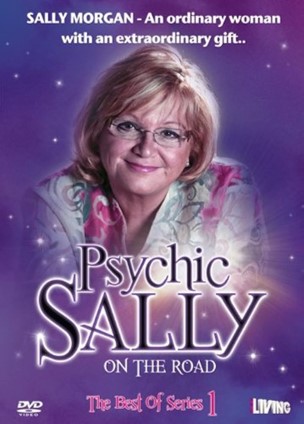 From a more esoteric perspective we have self-proclaimed “psychic medium” Sally Morgan identifying Eastbourne as “Britain’s most psychic”; although Torquay is her second contender. In Sally’s worldview this is because seaside resorts have “old Victorian buildings which retain the psychic energy of the past and all the old people who retire there and eventually die. It’s a bit like heaven’s waiting room”.
There are, however, other more scientific explanations for this concentration of paranormal beliefs in Torquay.
 Origins
From its very beginnings as a modern town, Torquay attracted those eager to explore the occult and with the time and money to pursue their enthusiasms. It was also a health resort catering for the many across Britain’s suffering from consumption, now better known as tuberculosis. For the sick we offered comfort and relief, though many inevitably died here to be buried in the churchyard of St Saviour’s. Consequently, by the 1840s it was reported that the town’s hotels were “filled with spitting pots and echoing to the sounds of cavernous coughs… the only sound to be heard was the frequent tolling of the funeral bell.”
Torquay was therefore founded on the dead and the dying, a setting sympathetic to the milieu of Romanticism.
Following the arrival of the railways in 1848, Torquay was exposed to mass tourism and all those visitors needed entertaining. The occupants of the 500 new villas also welcomed the intellectual stimulation and promise of access to forgotten and forbidden knowledge. Hence the resort acquired a national reputation for the exploration and practice of the supernatural, in particular, a fascination with Spiritualism, religious cults, and pseudo-science in all its forms.
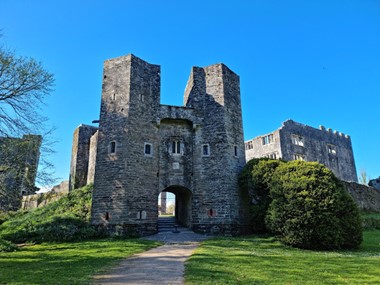 And Torquay, not coincidentally, could boast the most haunted house in England in Castel-a-Mare on Middle Warberry Road. Nearby was the spectre-endowed Gothic experience of Berry Pomeroy Castle, a daytrip for the amateur revenant hunter. Ghosts then became part of the Victorian and Edwardian vacation experience.
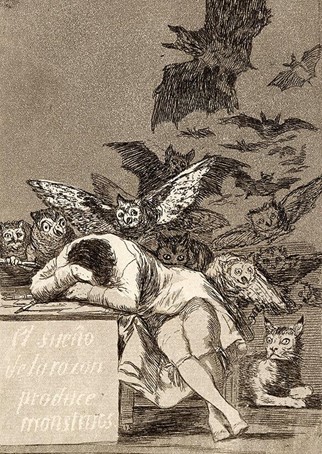
Perhaps this environment influenced those inclined to accept the suggestions of others. When you say to people “if you visit this building or take up this secret practice, you might have some weird experiences”, the more suggestible ones will. Suggestibility may further offer an explanation of why some people interpret conditions such as sleep paralysis – where you’re half awake and you can’t move but can still be in a dreamscape -.as a ghostly assault.
There are other causes for hallucinations. They can be caused by issues around mental and physical health. 1 in 4 of us have conditions that affect our day-to-day activities.
The resort has always been a place of refuge and hoped-for recovery for those experiencing mental distress. Some succeed while others do not. In addition, age-related illnesses such as dementia or Parkinson’s can further cause disorientation and visions. The average age in Torbay is 49; compared to 40 in the UK.
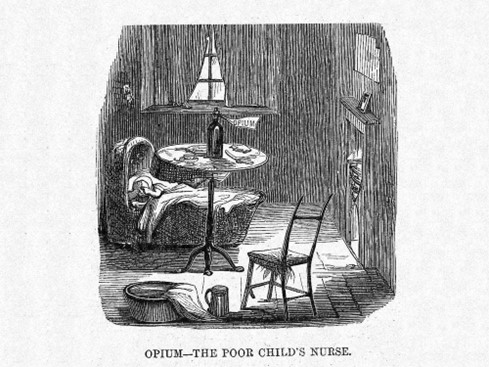 Drugs and alcohol are also associated with hallucinations. In Victorian Torquay opium was consumed by much of the population as both a cure-all medicine and for recreational purposes. The drug could be easily acquired in either pill or liquid form from chemists or from street-sellers.
And, of course, Torquay has always been a party town and remains so with its tourism industry focused on mood-altering substances, both legal and illicit. Today, at any one time, around 1,300 of us are receiving support for drug and alcohol dependency across the Bay.
Population
We don’t have much evidence of the past beliefs of ordinary residents and locals. What we do have is data on the gender imbalance in the town. As a tourist resort with a large servile and service class, Torquay was a society with a significant gap between males and females.
In 1881 there were 13,665 males to 19,293 females; in 1921, 15,936 males to 23,495 females; in 1939, 20,146 males to 32,081 females; and in 1961, 23,624 males to 30,422 females. This gender imbalance is now narrowing but may well have been an important factor in how we perceived the world in the past.
Research now shows that in the twenty-first century women have a significantly higher propensity to believe in the supernatural, being 10% more likely than men to believe in ghosts, 17% more likely to believe in life after death, and 15% more likely to think houses can be haunted.
While there may be a variety of reasons for this, Victorian and Edwardian society largely excluded women from the political, religious, and economic realms. The occult then offered a way of acquiring status, a decent income, and a degree of power. We note the overlap between female mediumship, suffrage, and a range of radical beliefs in the resort and it may be that this tradition is being maintained.
Poverty and Housing
Some researchers have associated poverty, ill health and, specifically, poor housing with a belief in the supernatural. 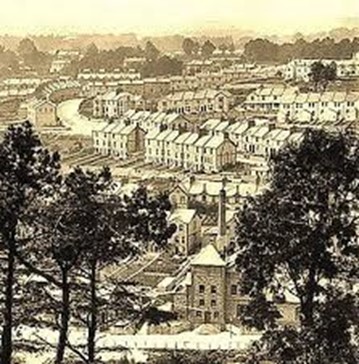 And Torquay certainly experienced extreme poverty. In 1892 well-travelled Canadian Isabella Cowen visited the resort and wrote in her diary: “I have read of the close proximity of the overly rich and the very poor that exists in many cities, but I believe I speak the truth when I say I have seen more luxury since being in Torquay than in all my previous life, and I know I never saw such pitiable poverty before.”
Iinequality of income and opportunity persists in present day Torquay. Wages are significantly below the regional and national average; and there is a more than eight years variation in life expectancy between the more and less affluent parts of the Bay, a situation that appears to be worsening.
Housing is, of course, closely linked to inequality and poor physical and mental health. 27% of Torbay households live in the privately rented sector. Social housing is limited with only 8% social housing in the Bay. The national average is 18%.
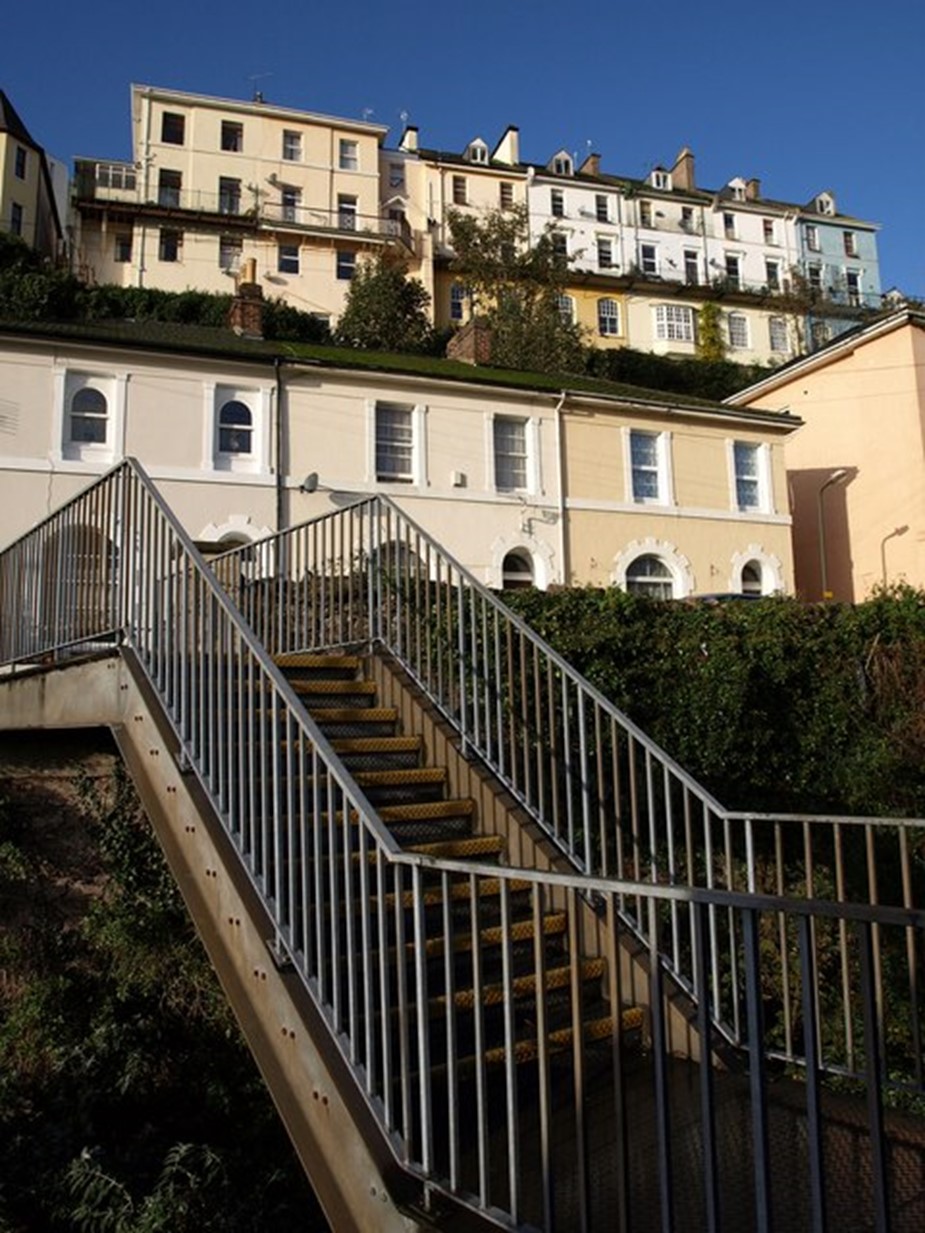
68% of households renting privately rely on housing benefit, higher than the national rate of 48%. Some of those older privately rented houses, perhaps divided into flats, are of low quality and poorly maintained. Contributing to this is that the centre of old Torquay is built in a series of steep limestone valleys. The terraces of houses were constructed for the town’s working and lower middle classes and a number of these properties have drainage issues due to limestone being semi-permeable.
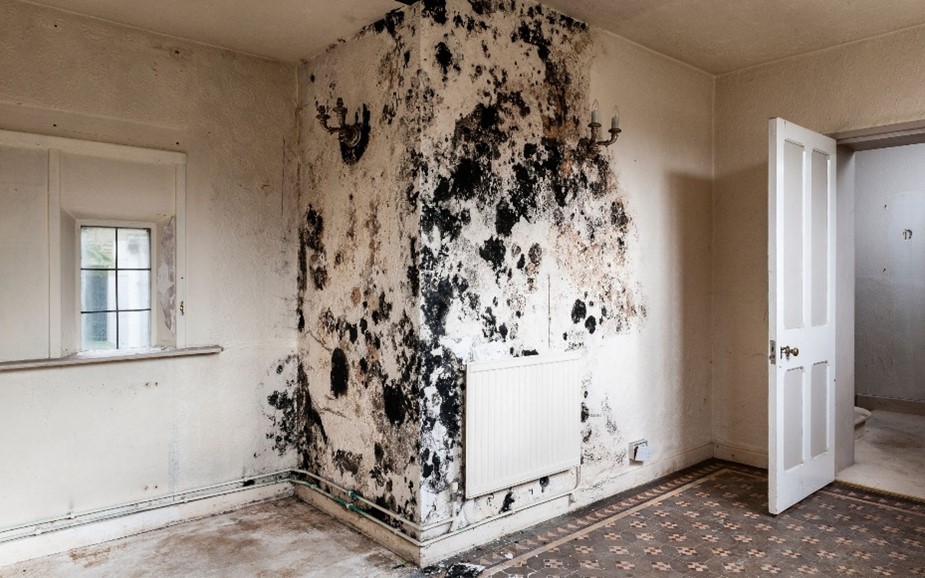 In such housing it’s not unusual to find mould which can grow on tiles, fabrics, carpets, wood, and other materials when moisture is present. Key spots are anywhere condensation forms, and where leaks and rising damp lead to patches on ceilings and walls. Excessive exposure to damp and mouldy environments can cause a host of medical problems, including in some instances hallucinations and delusions.
 A further hazard in poorly ventilated properties is carbon monoxide, a poisonous gas that can make you seriously ill. Causes of carbon monoxide poisoning include common household appliances such gas boilers, cookers, gas or paraffin heaters, alongside wood, gas and coal fires, if they are not installed properly, are faulty, or are poorly maintained.
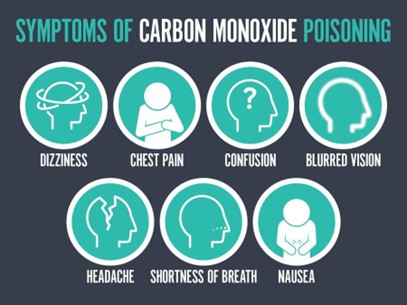 Symptoms of carbon monoxide poisoning include headaches, sickness, weakness, confusion, chest and muscle pain, and shortness of breath. Symptoms may come and go, getting worse when time is spent in an affected room.
Geology and Location
Electric and magnetic fields (EMFs) are invisible areas of energy that are associated with the use of electrical power and various forms of natural and man-made lighting. These include microwave ovens, computers, Wi-Fi networks, and power lines. While exposure to high levels of EMFs can give rise to harm, low frequencies have little effect on us. However, some researchers have linked EMFs with headaches, tremors, memory loss and sleep disturbance.
Low-frequency sounds known as infrasound have a variety of natural and man-made causes. These include thunderstorms, whistling pipes, trains travelling on tracks, and equipment transmitting higher frequency radio waves, such as TV antennas, radio stations or mobile phone base stations.
We do not consciously hear these sounds, but they do seem to have an effect on our bodies, both physiologically and psychologically. People often report feelings of panic or fear when exposed to infrasound alongside sleep disturbances, headaches, depression, tiredness, itchy sensations, changes in memory, distorted vision and hallucinations.
There are two other causes of the unusual and disturbing effects of infrasound, one common to all coastal locations and one peculiar to Torquay. The sound of waves and underground earth tremors.
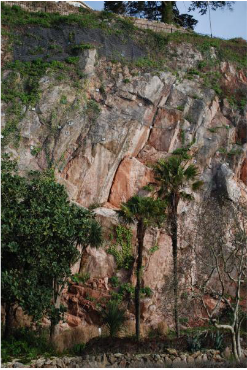 On the face of the vertical limestone cliff of Torquay’s Rock Walk is a crack. This indicates a geological feature called the Sticklepath Fault. The Fault runs through the village of Sticklepath, hence the name and is thought to be responsible for the earth tremors that were felt throughout our region in November 1955.
Of course, all these rational and scientific explanations are just suggestions. Torquay may simply have more ghosts than anywhere else in Britain. You decide.
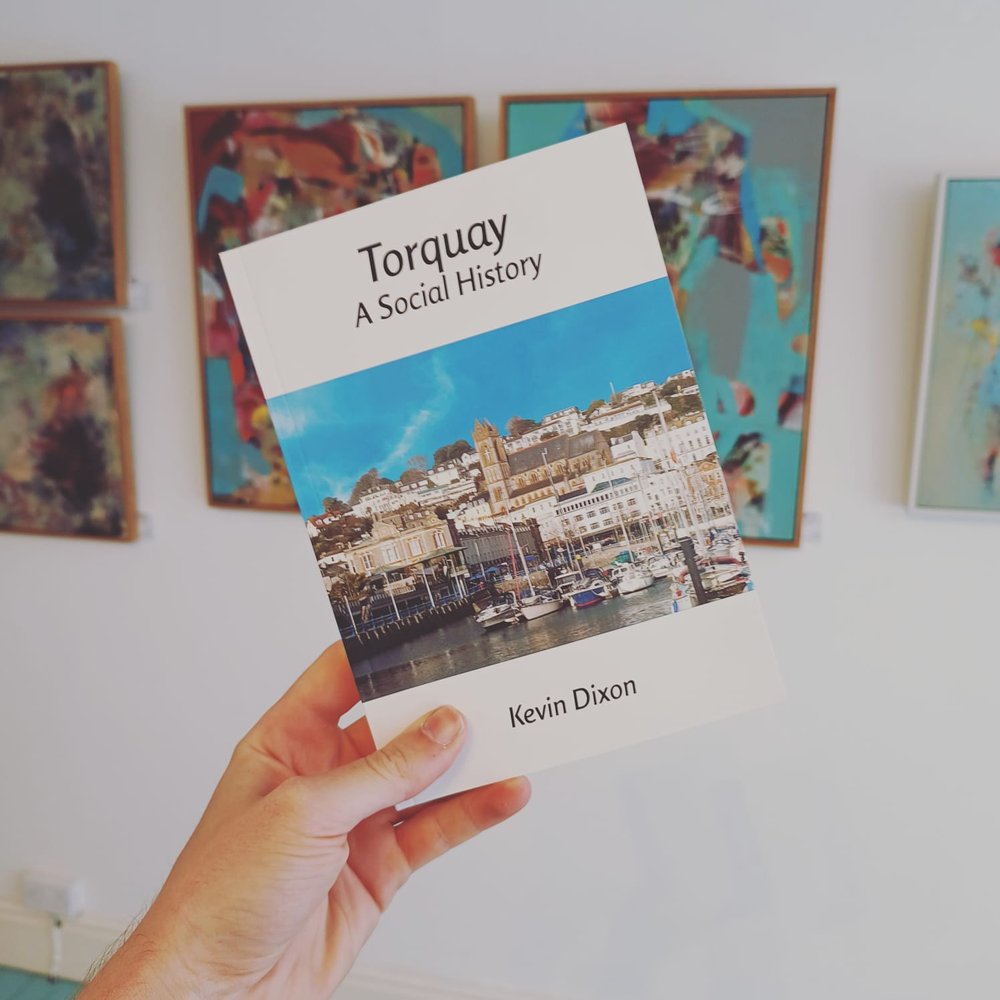
‘Torquay: A Social History’ by local author Kevin Dixon is available for £10 from Artizan Gallery, Fleet Street, Torquay, or:
https://www.art-hub.co.uk/product-page/torquay-a-social-history-by-kevin-dixon